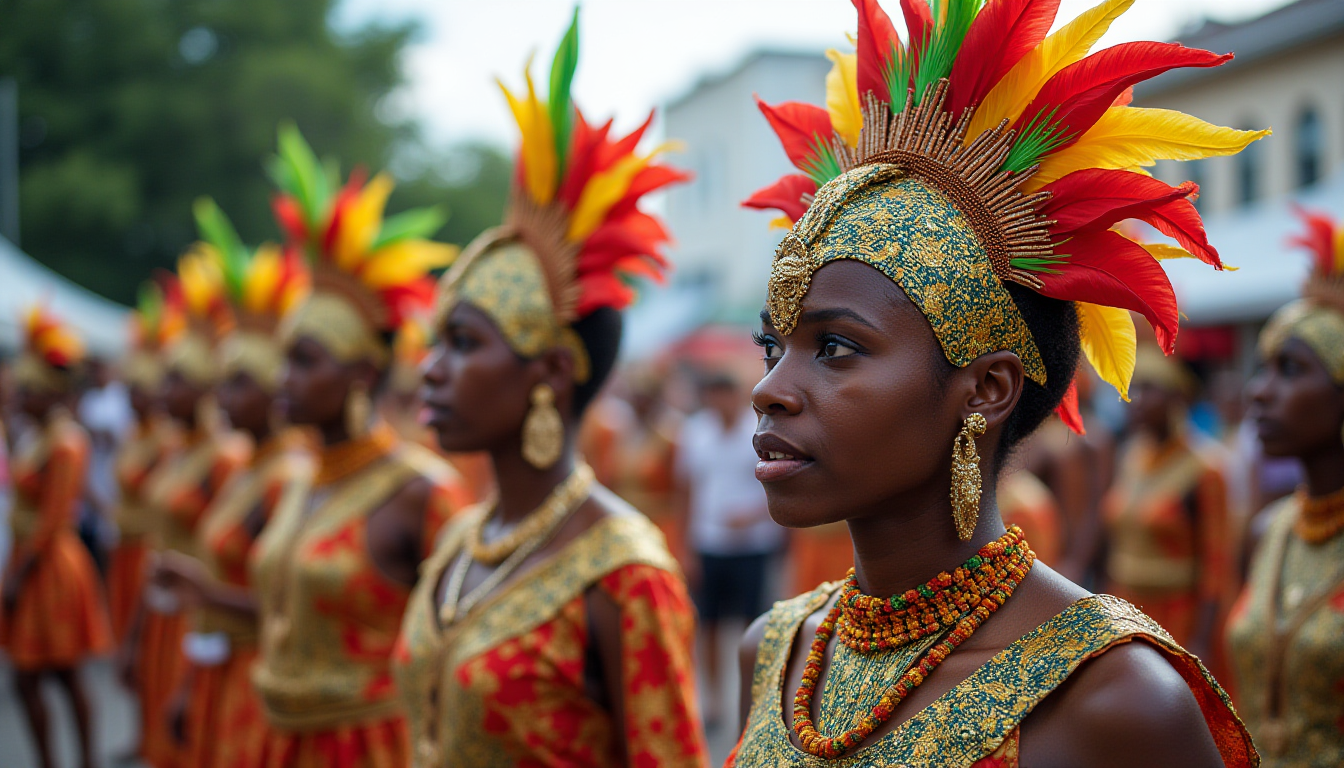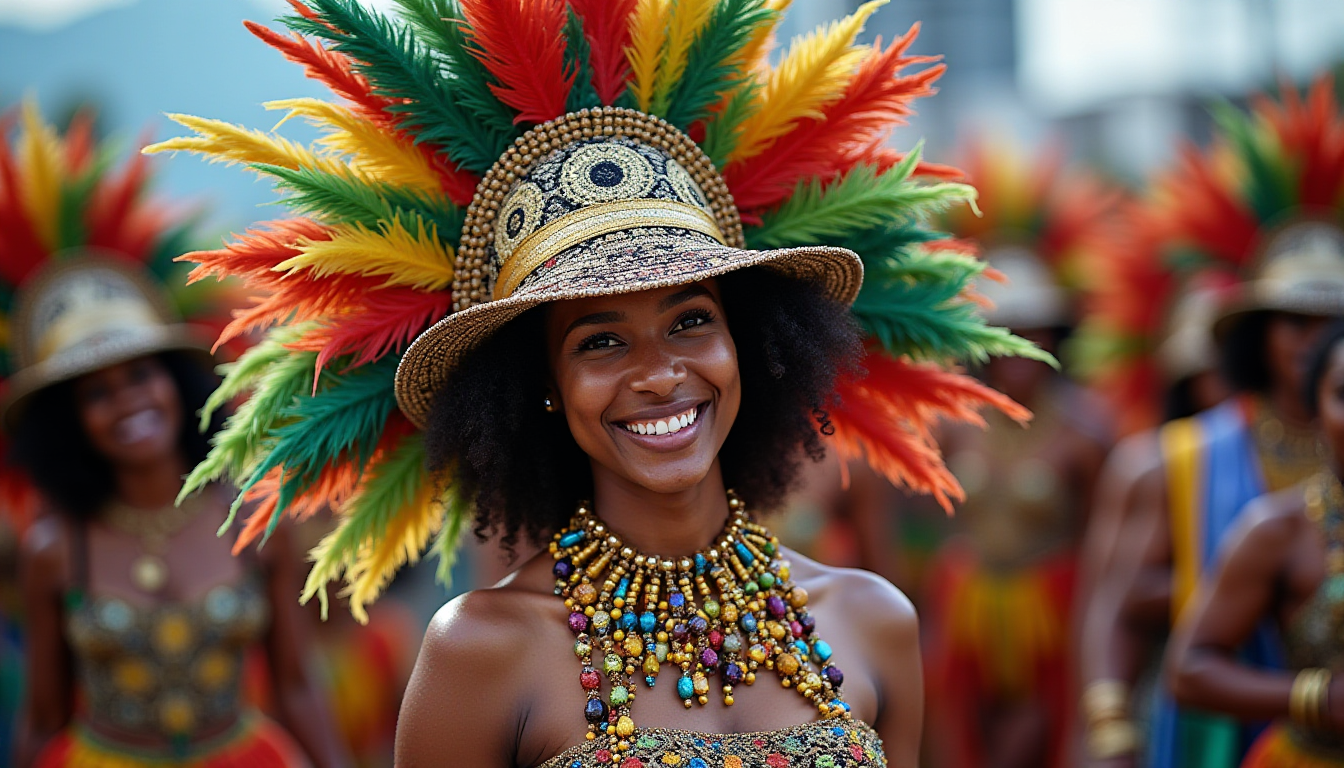
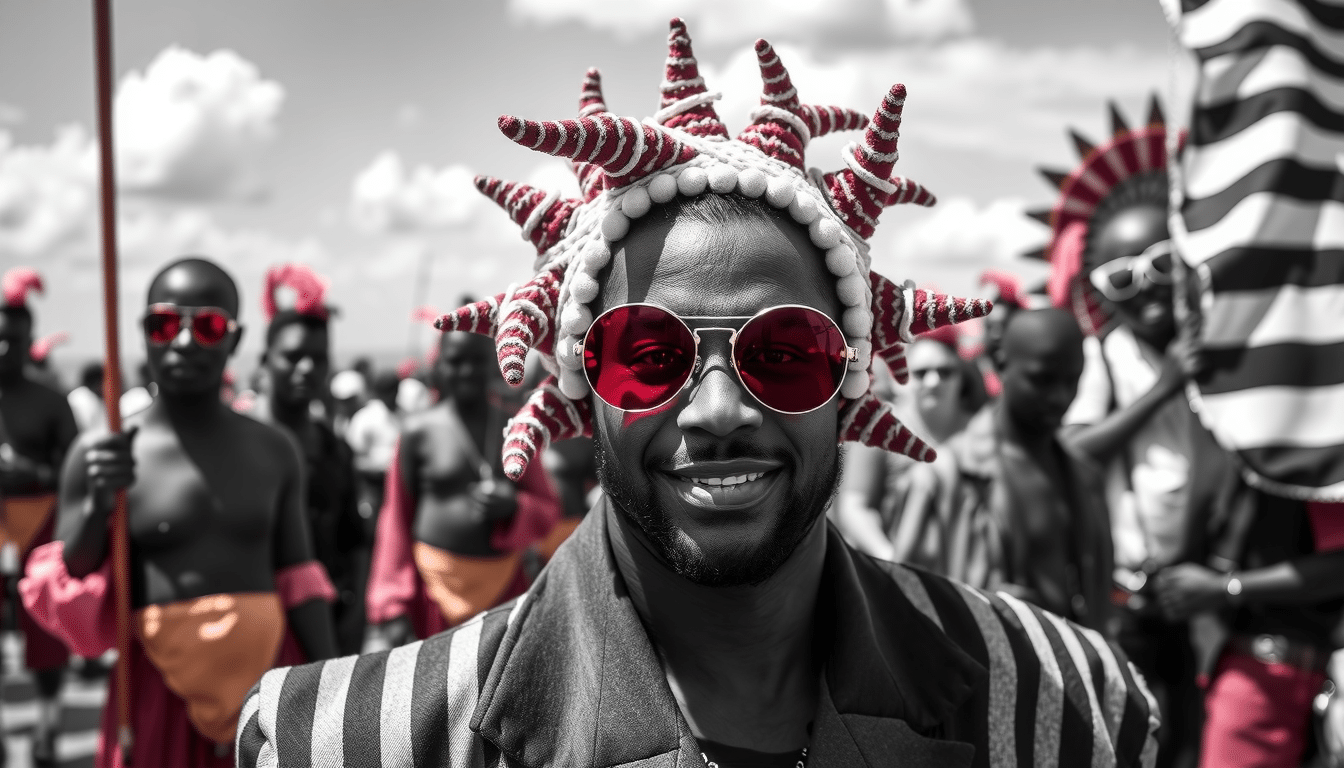
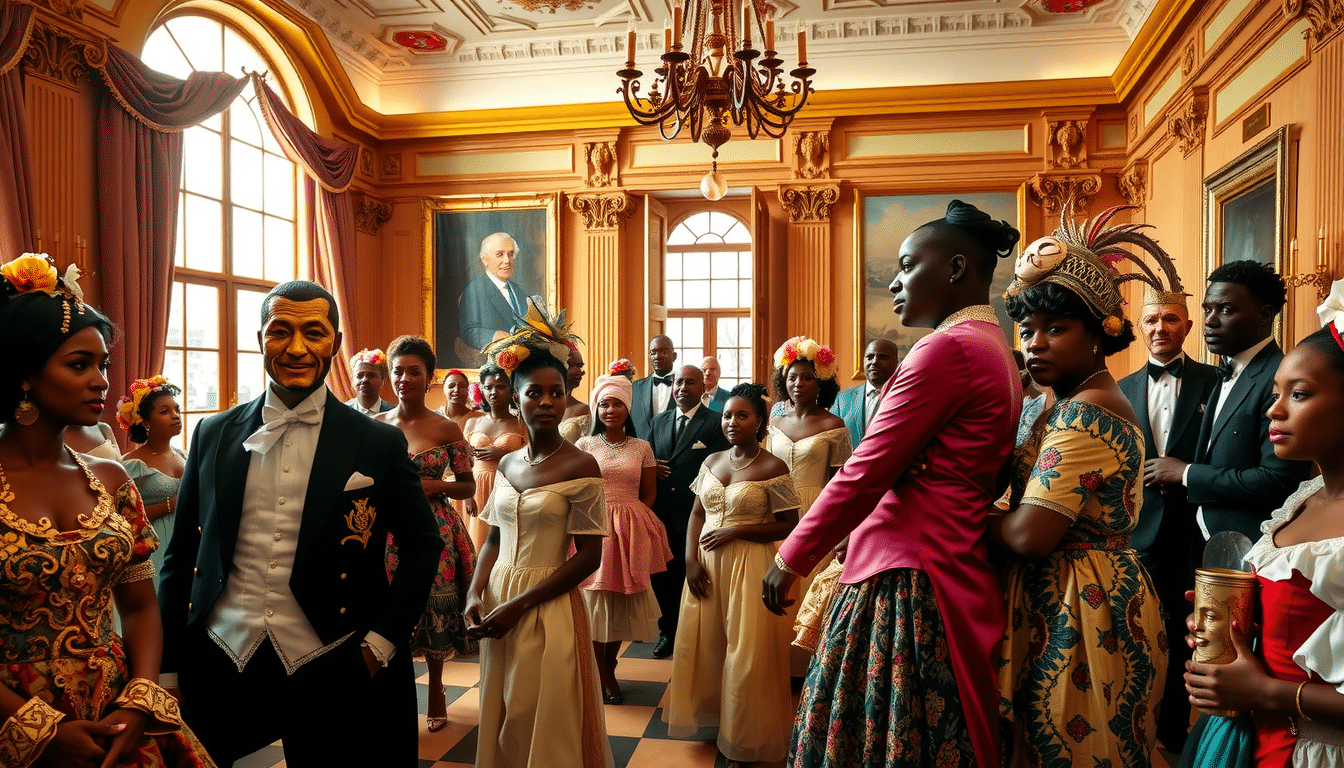
Carnival in the Caribbean is a vibrant, culturally rich annual event with deep historical roots, blending European customs, African traditions, and the legacy of emancipation from slavery. The story of Carnival begins with European colonists, primarily the French, who brought the tradition of masquerade balls and street parades to the islands in the 17th and 18th centuries.
The Origins of Caribbean Carnival
The French, in particular, introduced pre-Lenten celebrations to Trinidad in the late 18th century. Wealthy planters would host elaborate masquerade balls, while their enslaved people, forbidden from participating in these formal events, developed their own parallel celebrations that mimicked and often satirized their masters’ festivities.
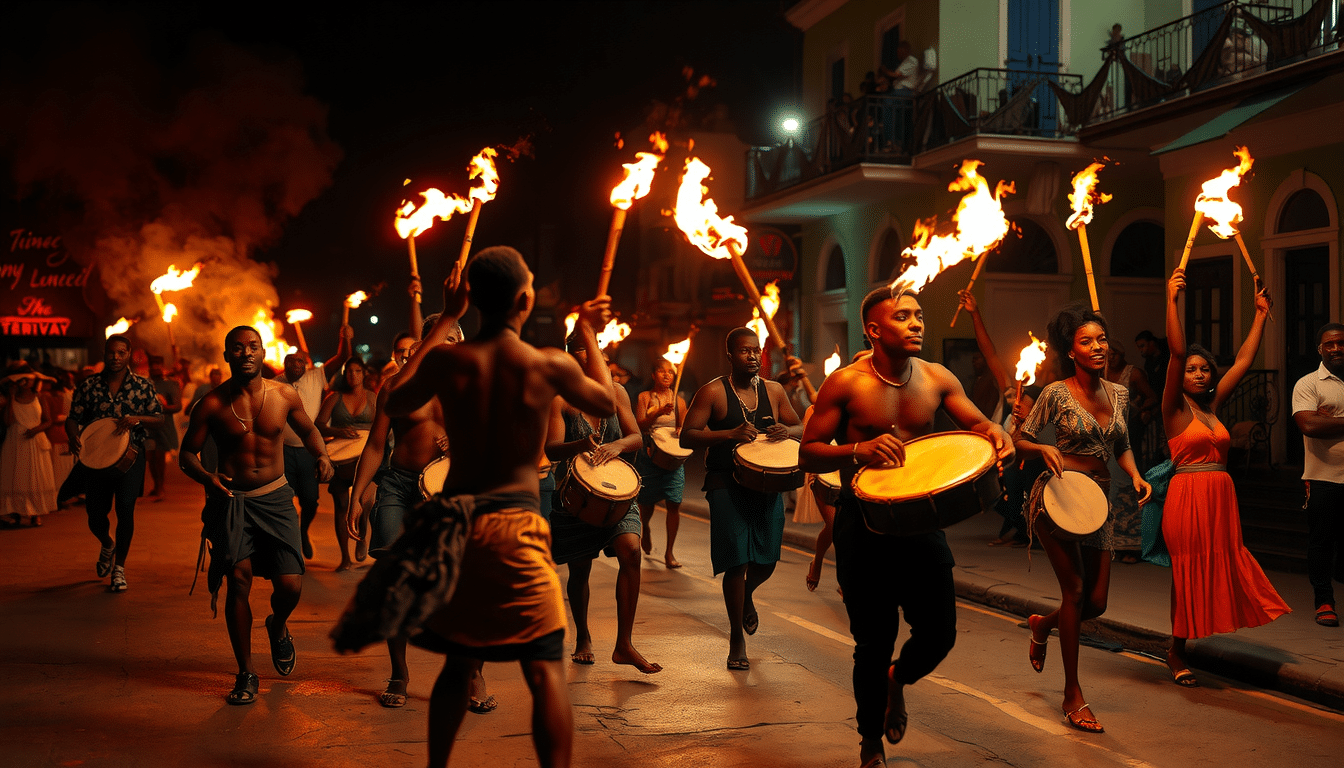
The pivotal moment came with the emancipation of enslaved people in the 1830s. Africans, now free, took over the streets with their own traditions, incorporating elements such as “Cannes Brûlées” (Canboulay)—processions that reenacted the burning of sugarcane fields with drums and chants—which became a core part of the celebration’s spirit of freedom and defiance. This merging of African masquerade, music, and spiritual practices with European tradition, born from a history of resistance and resilience, transformed Carnival into the unique, powerful cultural phenomenon it is today.
Main Activities Leading Up to the Festival
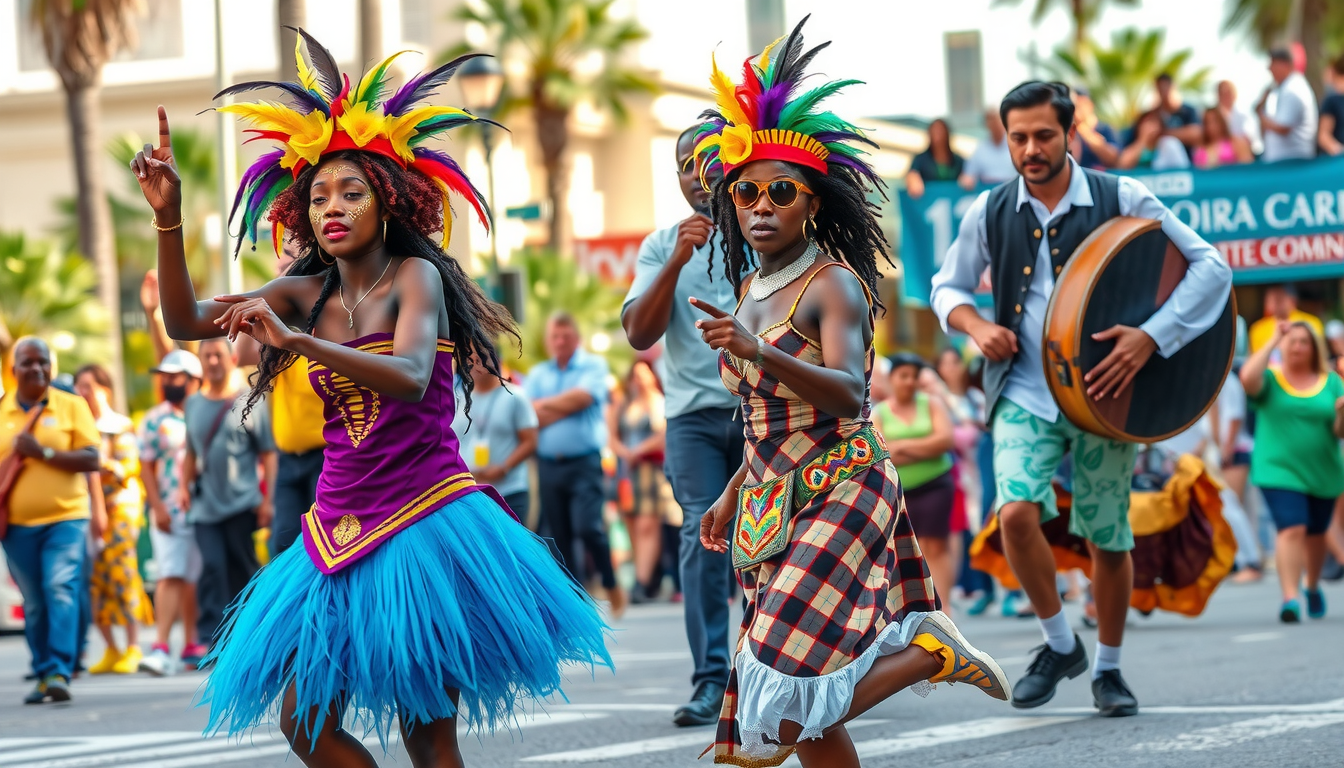
While the specific names and timing vary by island, the general atmosphere leading up to the main parade days (usually the Monday and Tuesday before Ash Wednesday, though some islands like Barbados and Antigua hold their Carnivals later in the year) involves a series of signature events and activities:
1. Fêtes and Parties
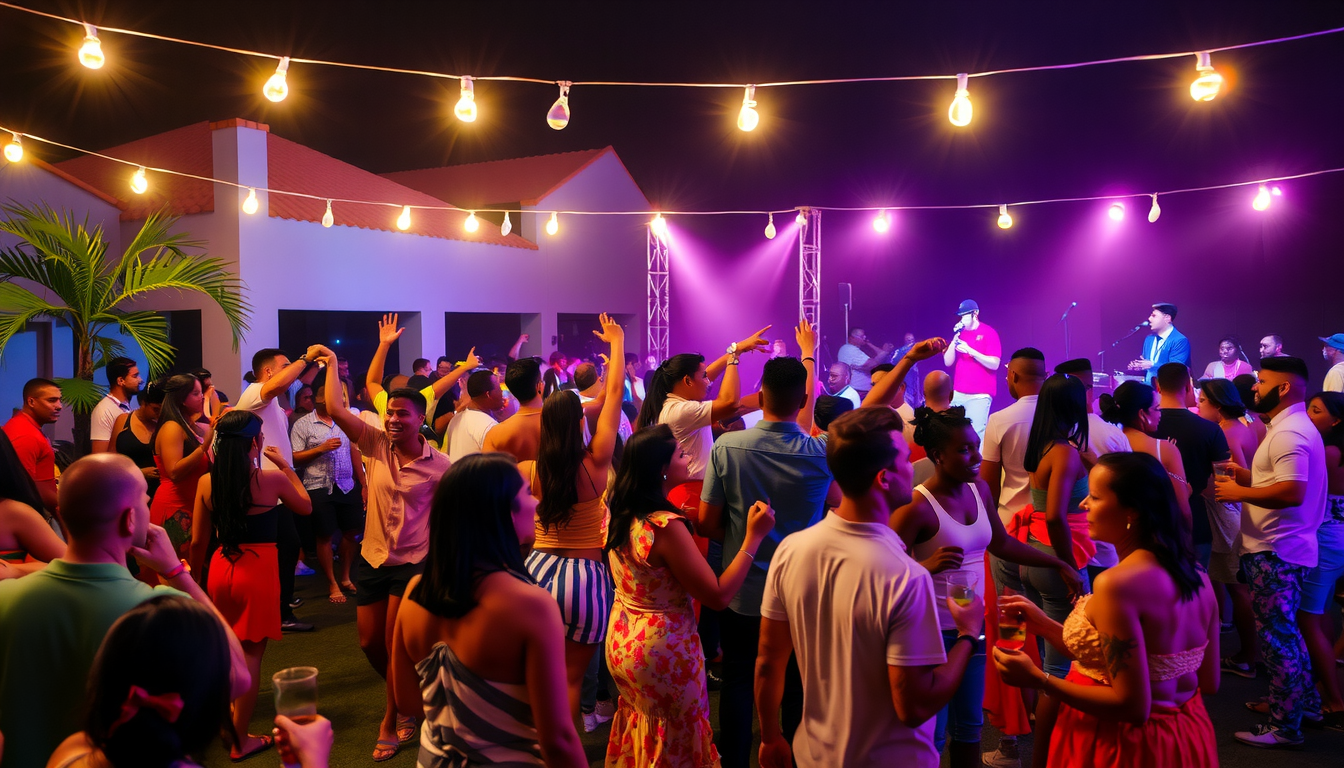
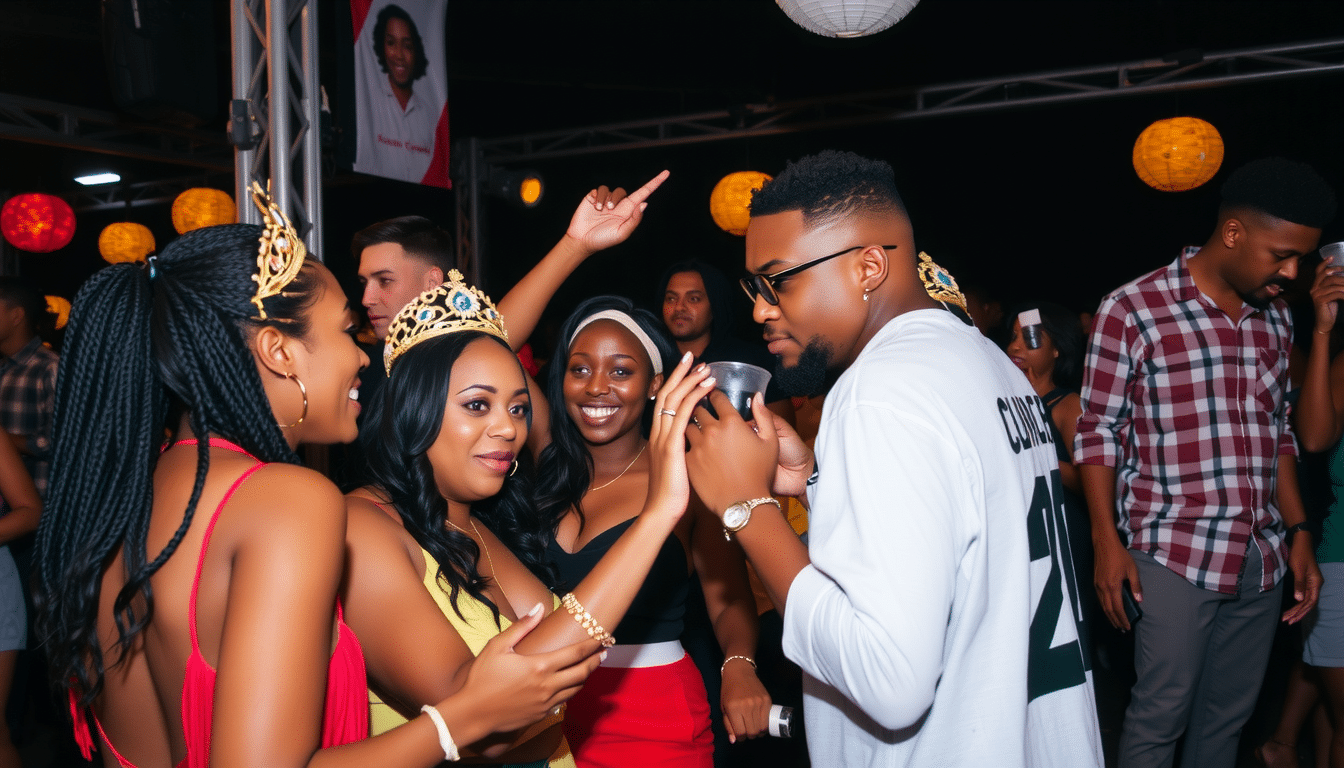
Weeks before the main event, the “fête” season is in full swing. These are high-energy parties, often held outdoors, featuring live music, DJs, and dancing that lasts until sunrise. Fêtes vary widely in theme, from “J’ouvert” warm-up parties to elegant all-inclusive events with unlimited food and drink.
2. Calypso and Soca Competitions
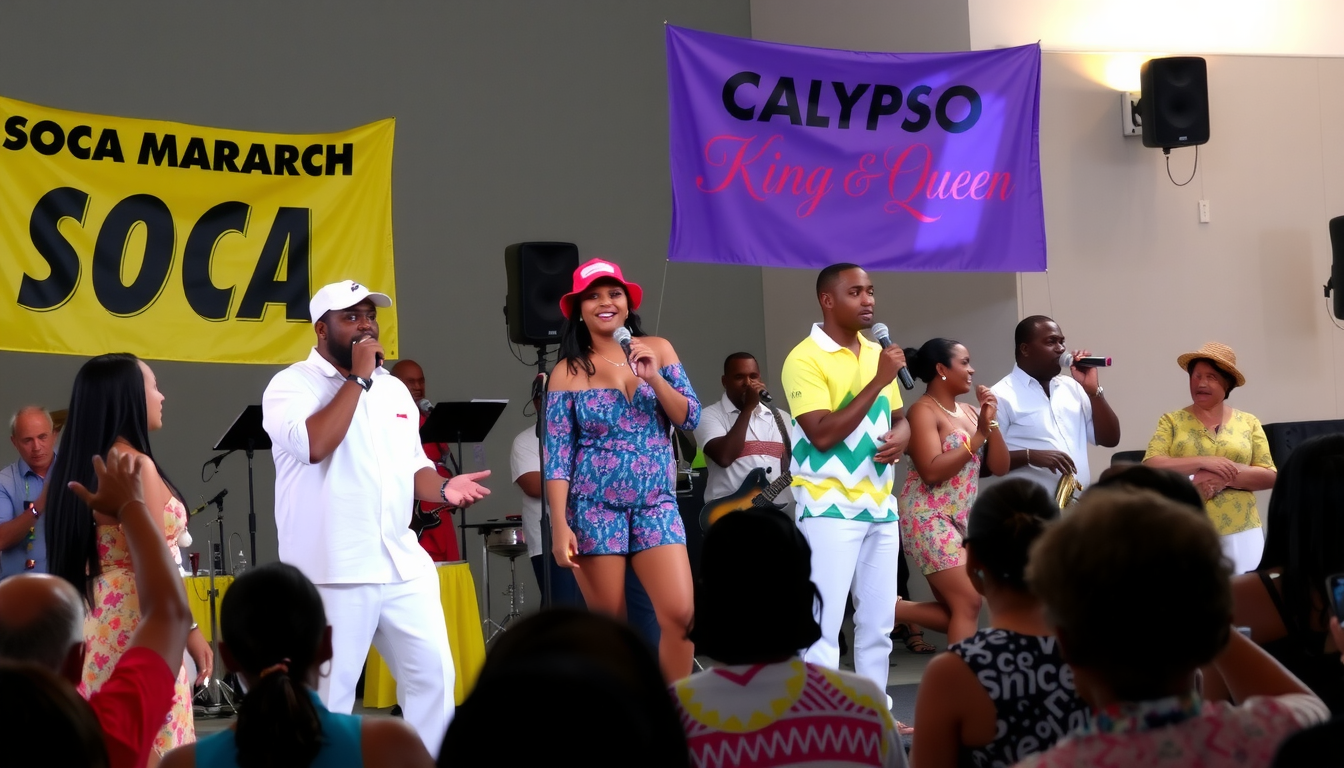
Music is the heart of Carnival. Throughout the lead-up, various competitions determine the King and Queen of Calypso and Soca music for the year. Artists compose and perform songs that often touch on political satire, social commentary, or simply the joy of the season. The “Soca Monarch” competition, particularly in Trinidad and Tobago, is a highly anticipated event.
3. Steelpan Competitions (Panorama)
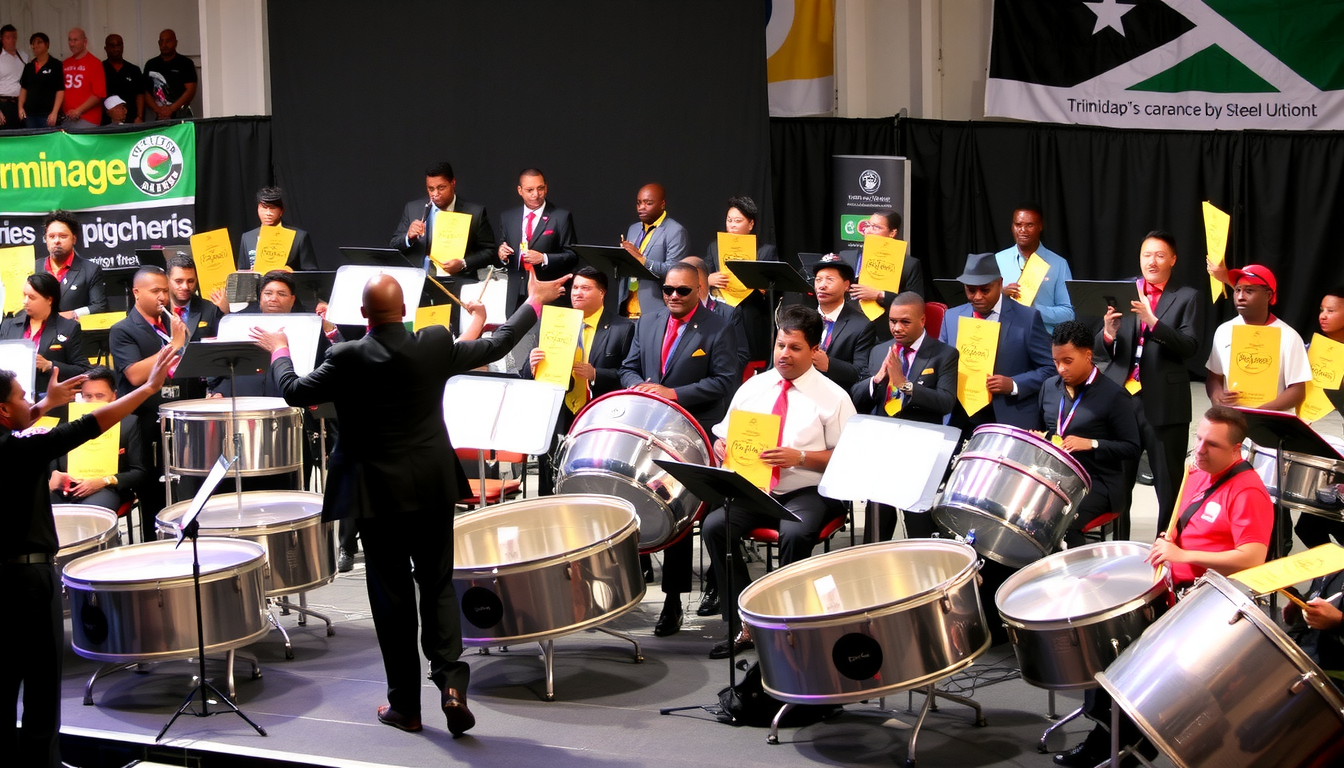
Steelpan is a tense competition on the islands. In Trinidad and Tobago’s it is considered the national instrument and a symbol of Caribbean innovation, taking center stage in the “Panorama” competition. Orchestras comprising dozens of players compete for supremacy, practicing for months leading up to the final event, filling the air with the distinct melodic sound of steel drums.
4. The King and Queen Show
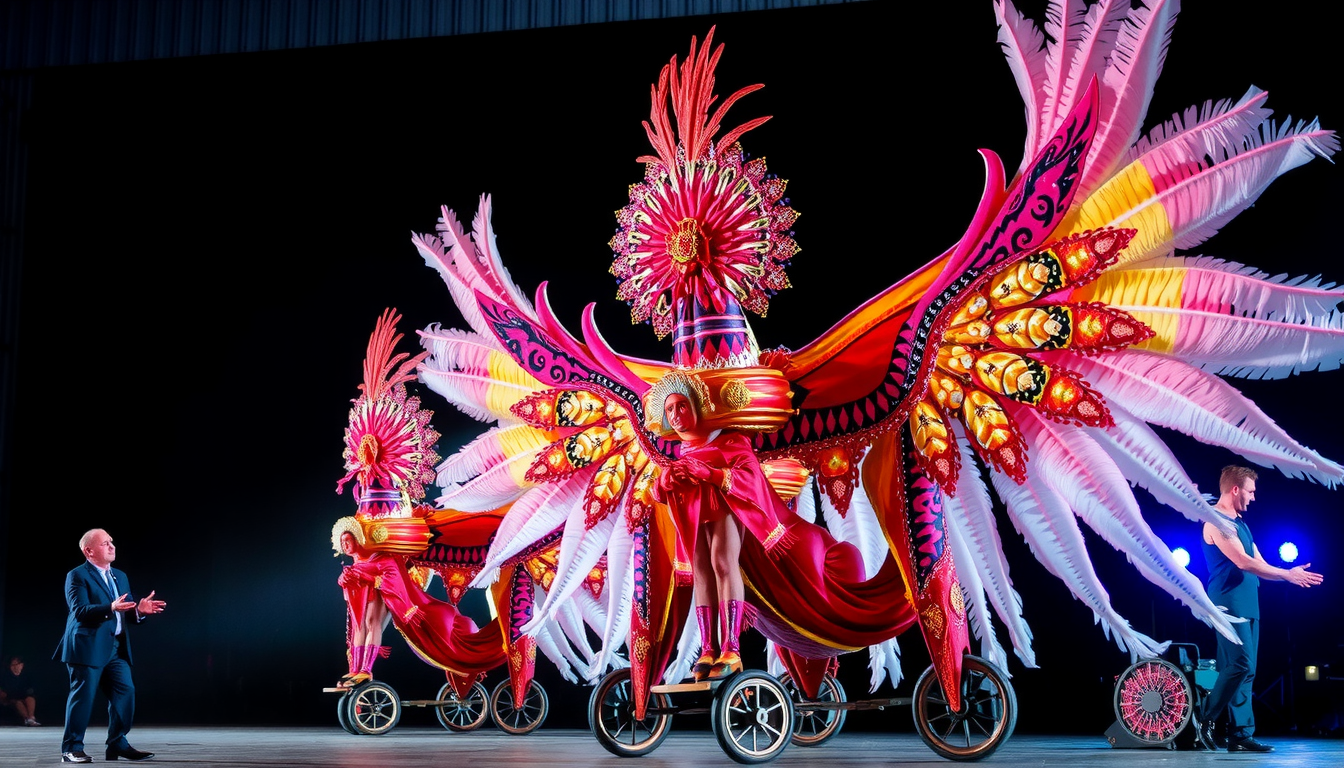
This majestic event showcases the elaborate, towering costumes that will feature in the main parades. Performers, often on wheels due to the sheer size and weight of their costumes, compete for the titles of Carnival King and Queen. These costumes are feats of engineering and artistry, often depicting themes from folklore, history, or nature.
5. J’ouvert (Jour Ouvert)
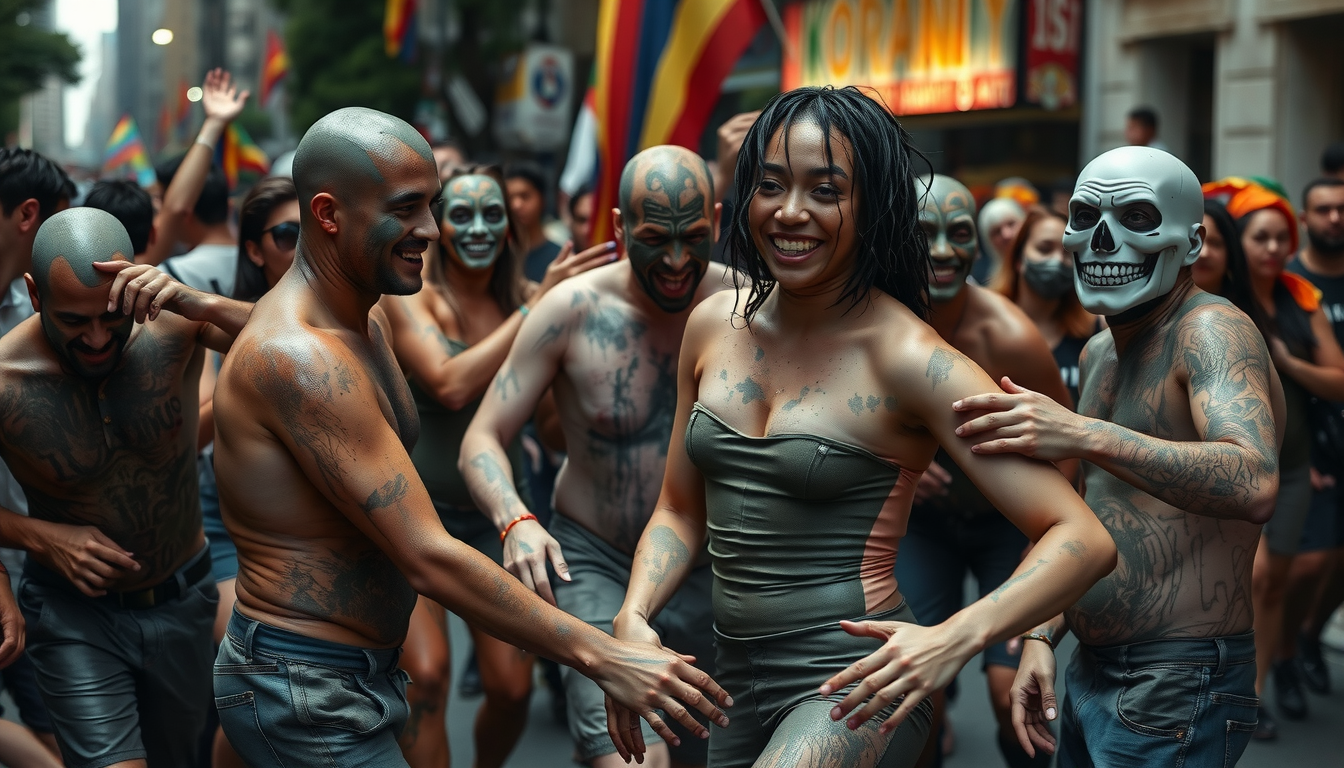
Meaning “opening of the day” in French Creole, J’ouvert takes place in the pre-dawn hours of Carnival Monday. It is the rawest, most visceral part of the celebration. Participants cover themselves in mud, paint, chocolate, or oil and take to the streets, shedding inhibitions and celebrating freedom. The atmosphere is messy, joyous, and deeply traditional, often featuring characters who depict political figures or societal norms.
6. Kiddies Carnival
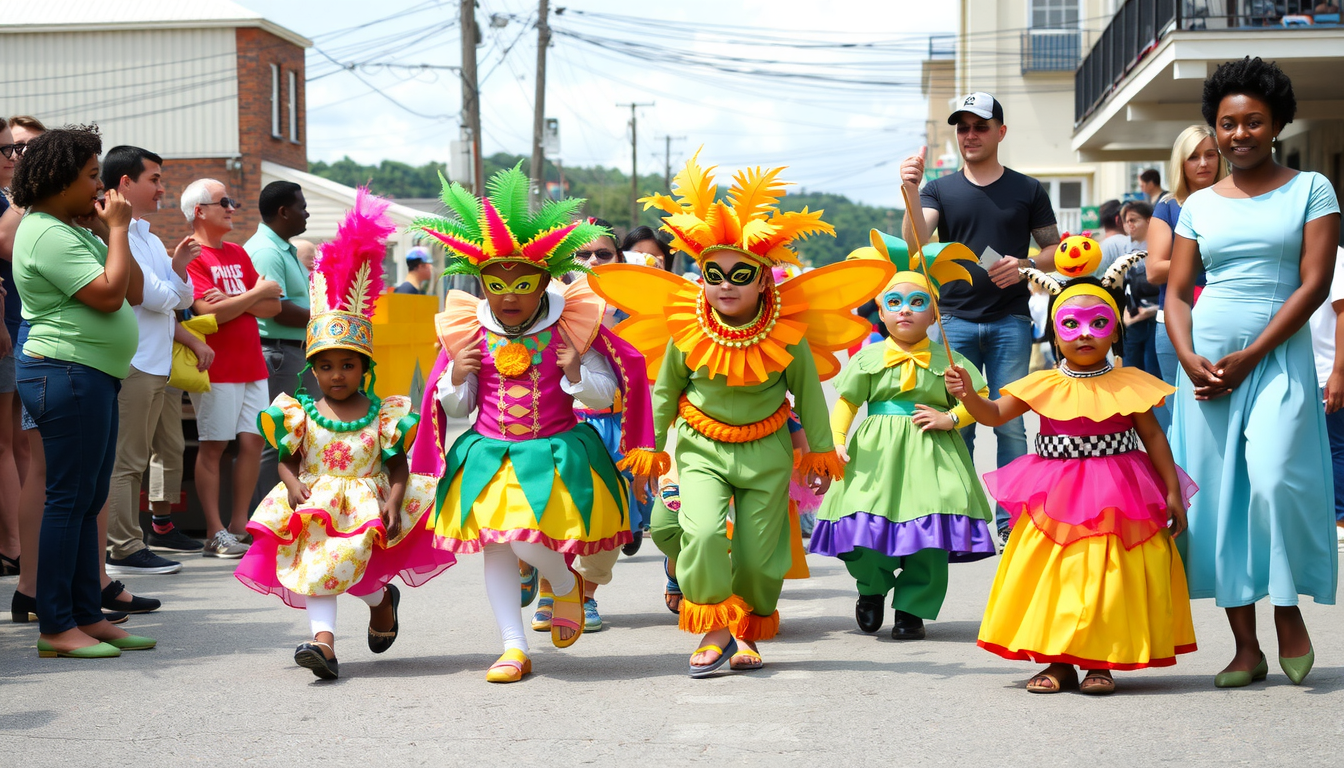
A family-friendly event where children, dressed in their own elaborate costumes, parade through the streets. It’s a key part of ensuring the culture and traditions of Carnival are passed down to the next generation.
These activities build a palpable energy that culminates in the final two days of massive street parades, where “masqueraders” (costumed participants) dance through the streets to the powerful rhythms of soca music, celebrating life, history, and freedom.
Grand Carnival Parade Finale
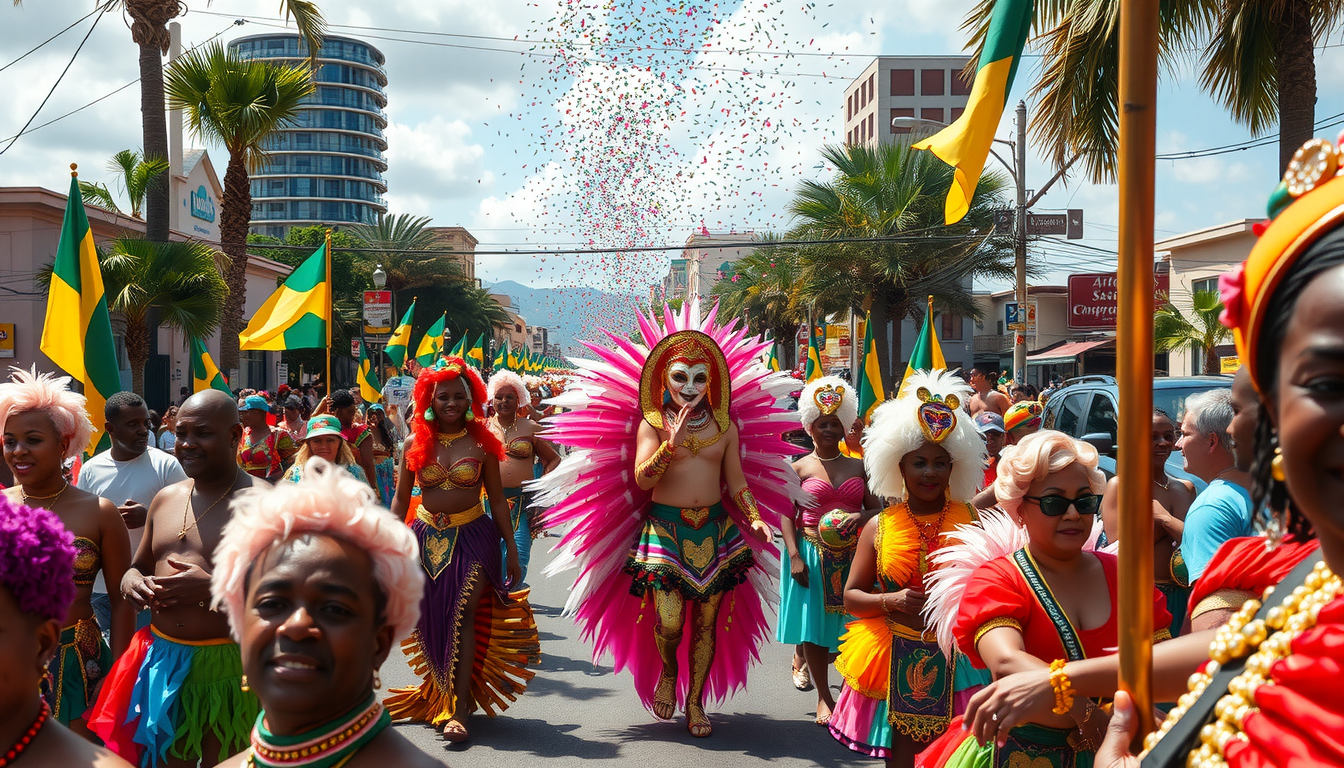
As the sun dipped below the horizon, the Grand Carnival Parade Finale lit up the Caribbean night with a dazzling display of color and rhythm. Revellers adorned in vibrant costumes swirled through the streets, their laughter and music weaving a tapestry of joy that echoed in the warm evening air. Each float, adorned with intricate designs and sparkling lights, told a story of tradition and celebration, inviting everyone to join in the euphoric dance of life. In that magical moment, the spirit of the Caribbean came alive, leaving an indelible mark on the hearts of all who experienced it.
FAQs
-
Which Caribbean island has Carnival?
Many Caribbean islands host Carnivals throughout 2026. Major celebrations include Trinidad and Tobago Carnival in February, Jamaica Carnival in April, and the Barbados Crop Over festival in August.
Here are some of the main Caribbean Carnivals and their parade dates for 2026:
St. Kitts Carnival (Sugar Mas): The main parade dates are January 1-2, 2026.
Trinidad and Tobago Carnival: Celebrations culminate on February 16–17, 2026, the Monday and Tuesday before Ash Wednesday.
Dominica Carnival (Mas Domnik): The main parades also take place on February 16–17, 2026.
Jamaica Carnival: The grand parade is scheduled for April 12, 2026, with events running from April 8–14.
St. Maarten Carnival: The season runs from April 10 to May 5, 2026, with the Grand parade around April 30 or May 1.
St. Vincent Carnival (Vincy Mas): Main parade days are July 6–7, 2026, part of events from July 1–8.
St. Lucia Carnival: Events run throughout July, with the main parades around July 20-21, 2026.
Barbados (Crop Over): The festival runs from late July to early August, with the Grand Kadooment parade on August 3, 2026.
Antigua Carnival: Celebrations are from late July to early August, with main parade dates around August 3-4, 2026.
Grenada
(Spicemas)The festival culminates with the main carnival days around August 10-11, 2026.
Tobago Carnival: A separate event from Trinidad’s, the parade date is November 1, 2026.
It is recommended to book flights and accommodations months in advance as they fill up quickly for these popular events. -
Who has the best Carnival in the Caribbean?
There is no single “best” Carnival island, as the ideal choice depends on personal preferences for atmosphere, crowd size, and cultural experience.
For the Largest, Most Intense Experience: Trinidad and Tobago Carnival is widely considered the “mecca” and the “Greatest Show on Earth”. It is known for its massive scale, elaborate costumes, intense fête (party) schedule, and the raw energy of the pre-dawn J’ouvert celebration. It’s an immersive cultural spectacle with the highest energy and largest crowds.
For Summer Vibes and Glamour: The Barbados Crop Over festival (late July-early August) offers a high-energy, glamorous experience with a strong focus on calypso and soca music, culminating in the Grand Kadooment parade. It’s popular and has a lively, family-friendly atmosphere.
For Authentic, Less Crowded Carnivals: Dominica’s Mas Domnik is known as “The Real Mas” and offers a deeply authentic experience with strong African and French Creole roots and more manageable crowds. The Tobago Carnival (in November) is also considered beginner- and budget-friendly, offering a more relaxed, “Carnival + Vacation” balance.
For a Blend of Music and Culture: Jamaica Carnival (in April) is a dazzling display of music, blending soca with reggae and dancehall, offering a unique and high-energy experience.
Ultimately, the best island depends on the specific experience you seek: the sheer scale of Trinidad
, the summer glamour of Barbados
, or the more intimate, authentic cultural experiences of Dominica
or Tobago -
What is the Carnival season?
The Carnival season is a festive period that occurs before Lent, featuring parades, masquerade balls, and various celebrations. It typically begins on Epiphany (January 6) and culminates on Fat Tuesday (the day before Ash Wednesday), with variations in different cultures and regions.
-
What is the biggest Caribbean festival?
Most people would select their country. However, Carnival in Trinidad and Tobago seems to take the top spot.
Carnival in the Caribbean: A Time of Celebration