
Introduction
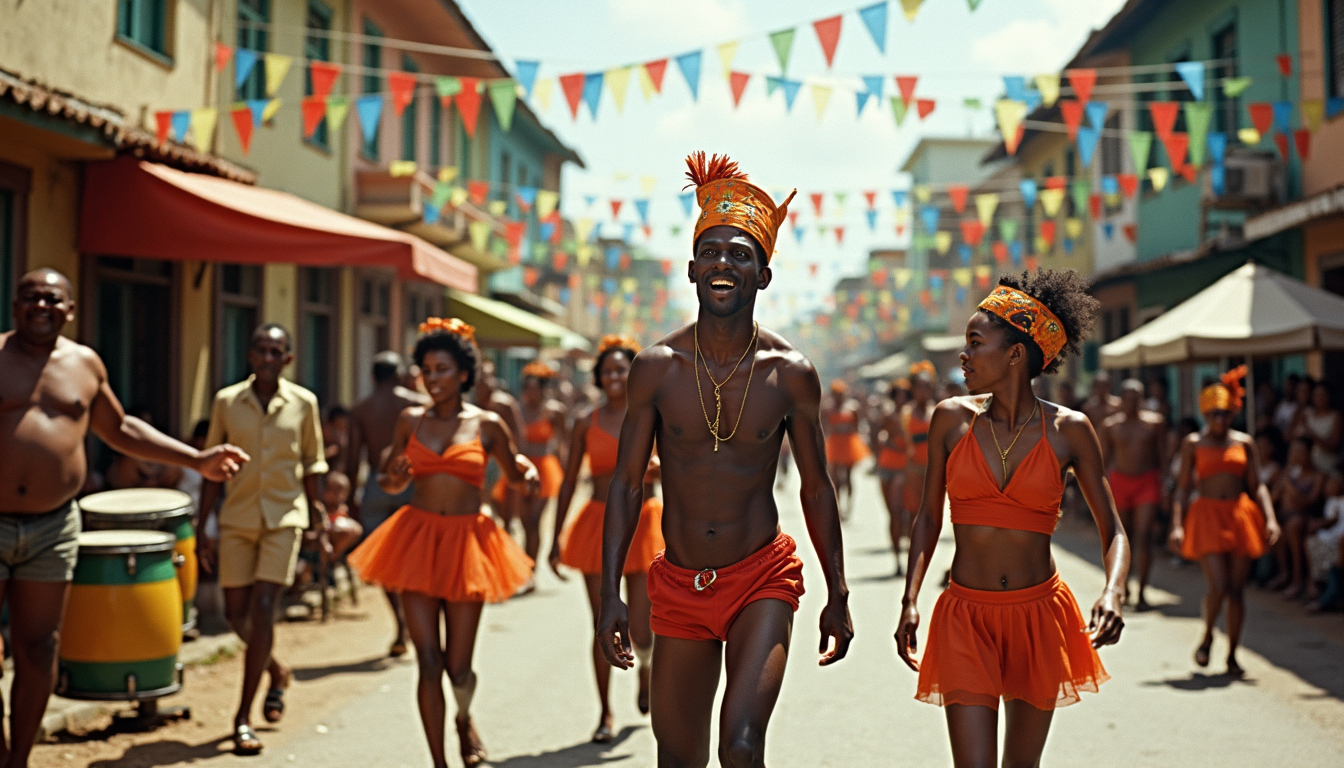
Calypso, with its infectious rhythms and biting social commentary, is one of the Caribbean’s most celebrated musical traditions. While Trinidad and Tobago are often regarded as the cradle of Calypso, the island of Dominica has cultivated its own unique Calypso culture, blending African heritage, colonial influences, and Dominican ingenuity. This article explores the journey of Dominica Calypso—from its origins to its status as a vibrant, modern-day art form.
Table of Contents
Golden Era & Notable Historical Winners
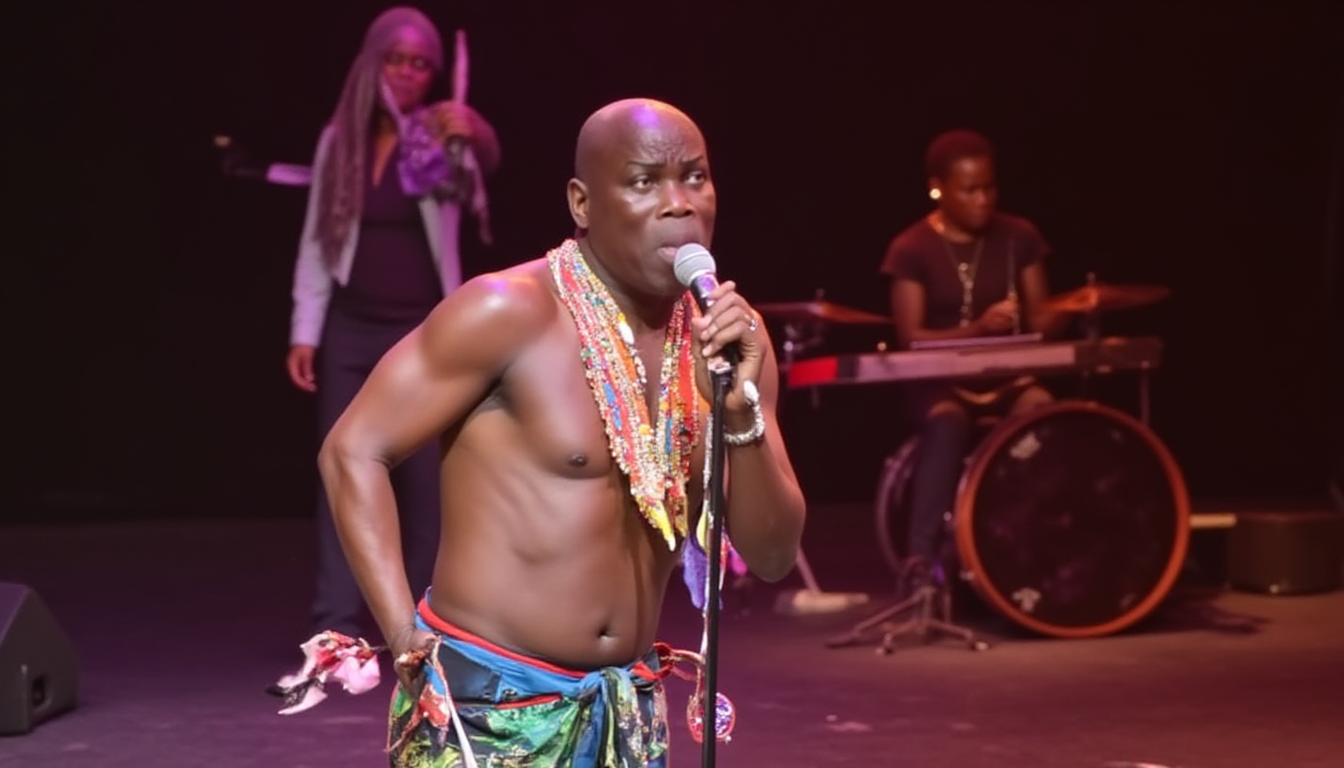
- 1982–1988: Ency (Norman Cyrille) — Dominant during this “aeon,” winning 4 titles.
- 1979: Shakey (Vaughn James) — The youngest person to ever compete in the senior finals at age 16.
- 1970s: Solo — A powerhouse of the 70s, winning multiple titles.
- 1959: The Observer — The first-ever Dominica Calypso Monarch.
Origins of Calypso: African Roots and Colonial Influence
Calypso music’s roots trace back to the West African griot tradition, where storytellers and musicians preserved history and commented on society through song. Enslaved Africans brought these traditions to the Caribbean, where they fused with European musical forms under colonial rule. In Dominica, French, British, and African influences merged, setting the stage for a distinctive musical evolution.
Early Days: Chanté Mas and the Evolution of Carnival Music
The earliest forms of Dominican Calypso can be seen in ‘Chanté Mas,’ an indigenous tradition of masquerade singing and chanting during Carnival. These songs, often performed in Creole, told stories of community life, resistance, and celebration. Over time, as Calypso from Trinidad began to spread, Dominican musicians incorporated new rhythms, instruments, and lyrical styles, blending them with local traditions.
The Birth of Organized Calypso in Dominica
By the mid-20th century, Calypso competitions became central to Dominica’s Carnival. The first Calypso Monarch competitions emerged in the 1950s, providing a stage for local artists to display lyrical wit and musical prowess. Early Calypsonians like Lord Tokyo, Mighty Ace, and Hunter set the standard for sharp social commentary and clever wordplay, often addressing political issues and social change.
Icons and Pioneers: Shaping Dominica’s Calypso Identity
Dominica’s Calypso scene flourished thanks to charismatic performers who became cultural icons. Lord Tokyo, with his satirical edge, and Hunter, known for his powerful vocals and storytelling, pushed the genre forward. The Mighty Ace, whose songs captured the struggles and aspirations of the people, also left a lasting legacy. These pioneers inspired a new generation of Calypsonians, making the art form a voice for the voiceless.
Calypso as Social Commentary: The Voice of the People
A hallmark of Dominican Calypso is its role in social and political discourse. Calypsonians use humor, double entendre, and pointed criticism to address issues ranging from government corruption to natural disasters. Songs like “Mas in the Cemetery” and “Political Poker” reflect the genre’s ability to provoke thought and inspire change.
Evolution of Sound: Instruments, Arrangements, and Technology
As Calypso evolved in Dominica, so did its musical landscape. Traditional percussion instruments like the tambou (drum) and shak-shak (maracas) were joined by guitars, brass, and keyboards. Advances in recording technology and the influence of other Caribbean genres, such as soca and reggae, brought new textures and energy to Dominican Calypso, making it more accessible to younger audiences and international listeners.
The Calypso Monarch Competition: A National Event
The annual Calypso Monarch competition is the highlight of Dominica’s Carnival season. Calypsonians compete for the coveted crown, each vying to deliver the year’s most captivating and impactful performance. The event is broadcast across the island, and the winning song often sparks national conversations. Past Monarchs, such as Dice and Karessah, have become household names, known for their lyrical prowess and stage presence.
Here is our list for the last 10 years
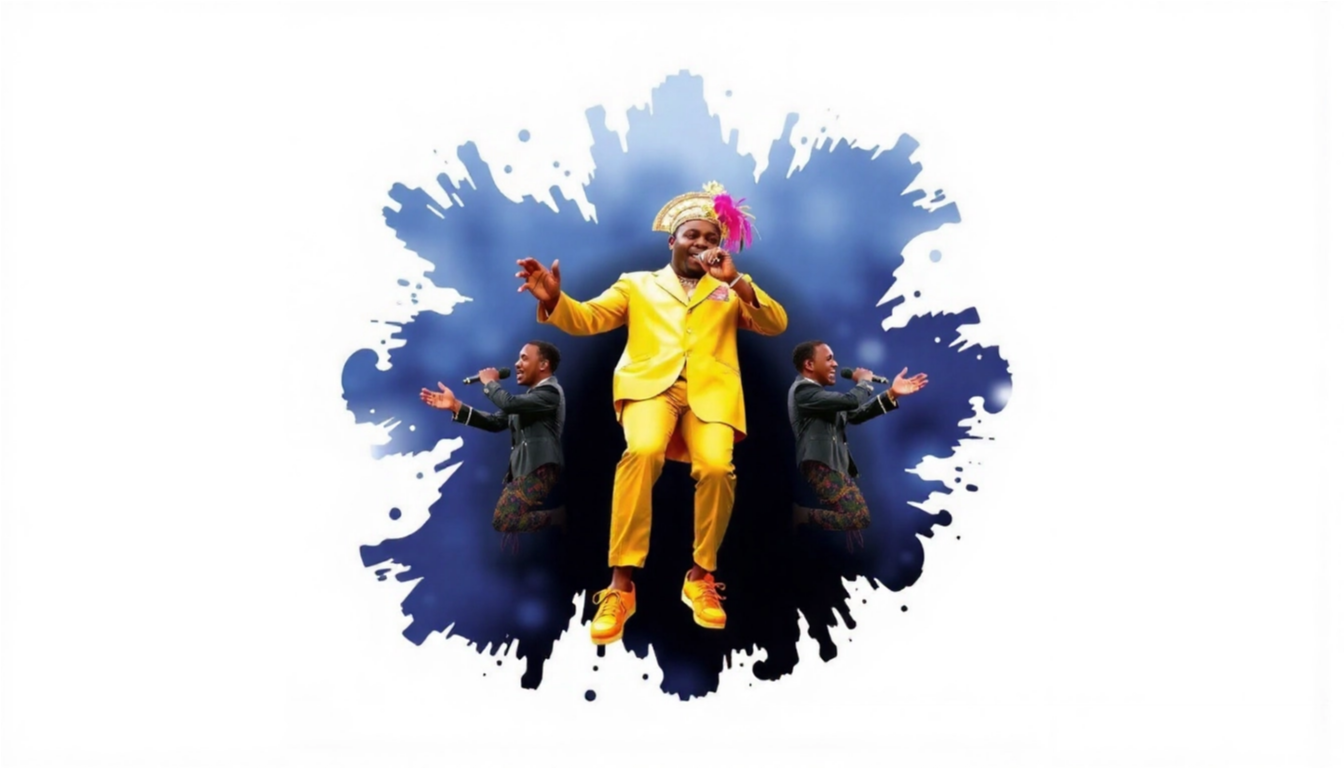
Dominica’s first Calypso King, The Observer, was crowned in 1959. Since then, the competition has grown into a major cultural event, with King Dice currently holding the record for the most titles (10 wins as of 2024). (2026) Chester “Daddy Chess” Letang
These champions have demonstrated consistent excellence, lyrical mastery, and a deep connection with audiences, further cementing Calypso’s significance in Dominica’s cultural life.
Women in Calypso: Breaking Barriers
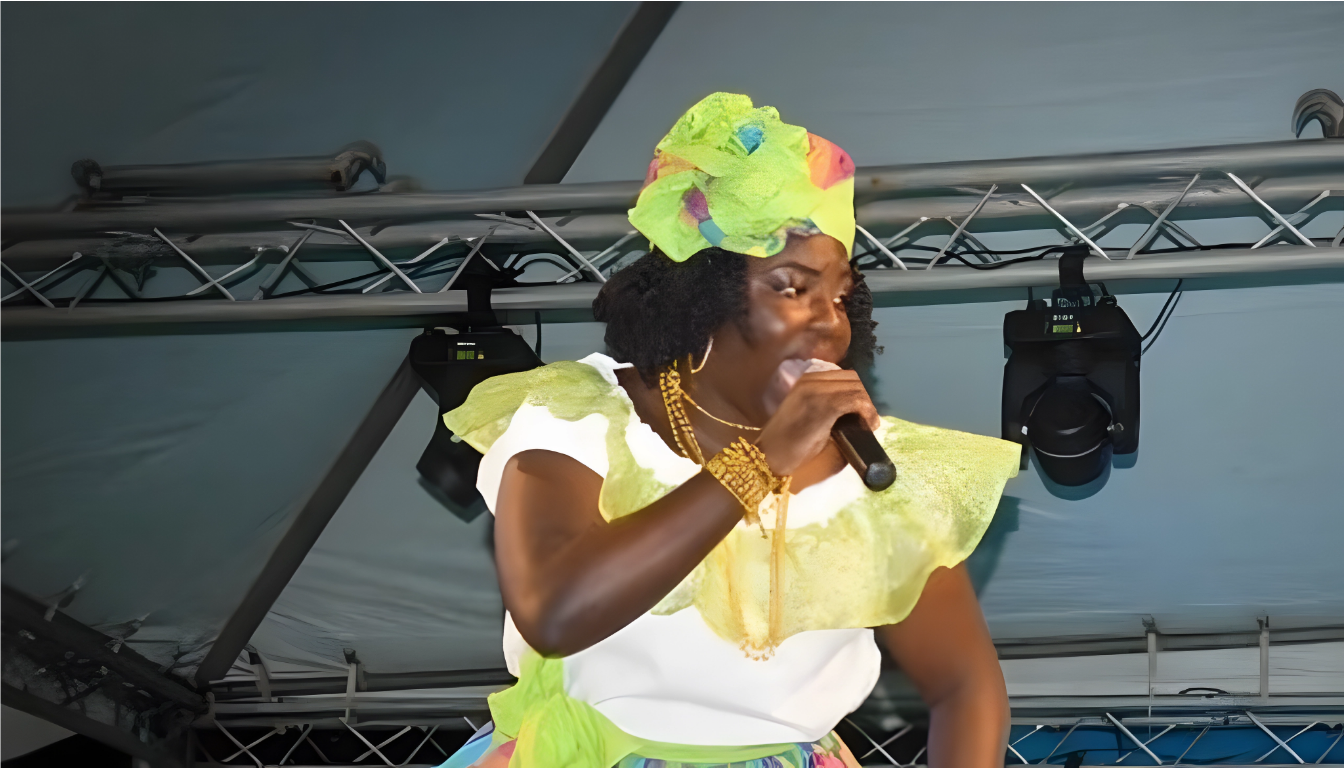
While Calypso has long been male-dominated, Dominican women have made significant strides in recent decades. Artists like Tasha P and Lady Star have earned acclaim for their vocal talent and fearless social commentary, challenging gender norms and inspiring a new wave of female Calypsonians.
Calypso and Dominican Identity
For Dominicans, Calypso is more than entertainment—it is an expression of identity and pride. The genre preserves Creole language, celebrates local heroes, and narrates the island’s history. Through Calypso, Dominicans connect with their past, critique the present, and imagine a brighter future.
Contemporary Trends: Fusions and Collaborations
Modern Calypso in Dominica embraces fusion, blending elements of zouk, bouyon, soca, and international pop. Collaborations between Calypsonians and artists from other genres reflect the tradition’s fluidity and adaptability. Young performers experiment with style and subject matter, ensuring Calypso remains relevant and innovative.
Calypso’s Role in Education and Community
Schools and community groups in Dominica use Calypso as a teaching tool to promote literacy, critical thinking, and cultural awareness. Workshops, youth competitions, and mentorship programs nurture emerging talent. This commitment to education ensures Calypso’s survival and growth for generations to come.
Challenges and Opportunities: The Future of Dominica Calypso
Dominican Calypso faces challenges, including competition from global music trends and changes in media consumption. However, passionate artists, supportive communities, and institutional backing from organizations like the Dominica Calypso Association keep the tradition alive. Digital platforms provide new avenues for promotion and international collaboration.
2026 Update
As of early January 2026, official announcements for the Dominica Calypso Monarch Competition are typically made by the Dominica Calypso Association (DCA) and local media outlets. The Calypso Monarch finals are traditionally held on the Saturday before Carnival Monday and Tuesday, which this year falls on February 14, 2026.
Preliminary rounds and quarterfinals usually begin in January, with semifinals following in early February. The official schedule, including ticket sales and venue (often Windsor Park Sports Stadium or Old Mill Cultural Centre), is generally released via the DCA’s official channels and local news outlets.
For the most accurate and up-to-date information—including specific dates, venues, and ticket details—I recommend checking the Dominica Calypso Association’s website or social media pages, as well as local news platforms like Dominica News Online.
If you’d like, I can add a brief note to your document mentioning the expected 2026 timeline and where to find official updates.
- Golden Era & Notable Historical Winners
- 1982–1988: Ency (Norman Cyrille) — Dominant during this “aeon,” winning 4 titles.
- 1979: Shakey (Vaughn James) — The youngest person to ever compete in the senior finals at age 16.
- 1970s: Solo — A powerhouse of the 70s, winning multiple titles.
- 1959: The Observer — The first-ever Dominica Calypso Monarch.
Other legendary names often cited in Dominica’s Calypso Hall of Fame include King Tokyo, Scrunter, and De Webb.
Recent Winners (2004 – 2025)
- 2025: Joy (Joy Stoute) — Only the second woman to win the title.
- 2024: King Dice (Dennison Joseph) — His historic 10th crown.
- 2023: Trilla-G.
- 2020 – 2022: (Limited/modified competitions due to global events)
- 2019: King Dice.
- 2018: De Bobb (Daryl Bobb).
- 2017: Lord Karessah.
- 2016: King Dice.
- 2015: Lord Karessah.
- 2012 – 2014: King Dice (3 consecutive wins).
- 2011: Tasha P (Tasha Peltier) — The first female monarch.
- 2009 – 2010: Lord Karessah.
- 2008: King Dice.
- 2007: Hunter (Derrick St. Rose).
- 2004 – 2006: King Dice (His first 3 wins).
Historical Highlights
- 1959: The Observer — The inaugural winner.
- 1970s Stars: Notable winners include Solo, who won multiple titles in the 1970s, and Shakey (Vaughn James), who won in 1979.
- Legendary Figures: Other major names who have held the crown over the years include King Tokyo, Scrunter, Hurricane, Wizard, and Spider.
Conclusion: Calypso’s Enduring Legacy in Dominica
From its humble beginnings to its status as a national treasure, Calypso continues to shape Dominica’s cultural landscape. The music’s ability to entertain, educate, and empower speaks to its enduring relevance. As Calypsonians raise their voices each Carnival season, they honor a legacy of resilience, creativity, and unity—a legacy that will continue to inspire for years to come.
Dominica Calypso Monarch Winning Songs (Recent Decades)
Winners in the Calypso Monarch competition usually perform two songs in the finals. The specific songs for multi-time winner King Dice are detailed below:
- 2025: Joy (Joy Stoute) – Winning song titles not specified in search results.
- 2024: King Dice – “Wanted” and “Bring Money”.
- 2023: Trilla-G – Song titles not specified in search results.
- 2021 & 2022: Virtual Competitions held; specific song titles for the winners (De Bobb and Tasha P) not specified in search results.
- 2019: King Dice – “Gran-mama… We Have to Fight” and “Jumbee Money”.
- 2018: De Bobb – Song titles not specified in search results.
- 2017: Lord Karessah – “The King is Back” was a featured song during the 2016 competition, but his 2017 winning songs were not specified in search results.
- 2016: King Dice – Specific winning songs not specified in search results.
- 2015: Lord Karessah – “Flush It” was a featured song during this year, but the specific winning songs were not specified in search results.
- 2014: King Dice – “Time For A Change” was a featured song, but the winning songs were not specified in search results.
- 2013: King Dice – Specific winning songs not specified in search results.
- 2012: King Dice – “Teacher” was a featured song, but the winning songs were not specified in search results.
- 2011: Tasha P – Specific winning songs not specified in search results, but a featured song was “He’s A Boy”.
- 2008: King Dice – Specific winning songs not specified in search results, but a featured song was “Lights”.
- 2004: King Dice – “Peace Is My Business” / “Minding My Business” and “Animal Farm”.
Dominica Road March Champions
The Road March title goes to the song played most often on the streets during the Carnival Monday and Tuesday celebrations.
- 2025: Trendsetter (Narrin Murphy) – “De Pee Pee” / “DPP“.
- 2024: King Dice – “Bring Money“.
- Recent Years: The song “My Brother Take My Grinna” by Sour Sour also won a Road March title in a recent year, played 106 times on the streets.
Ever Tuesday from 8PM EST listen to calyso music.